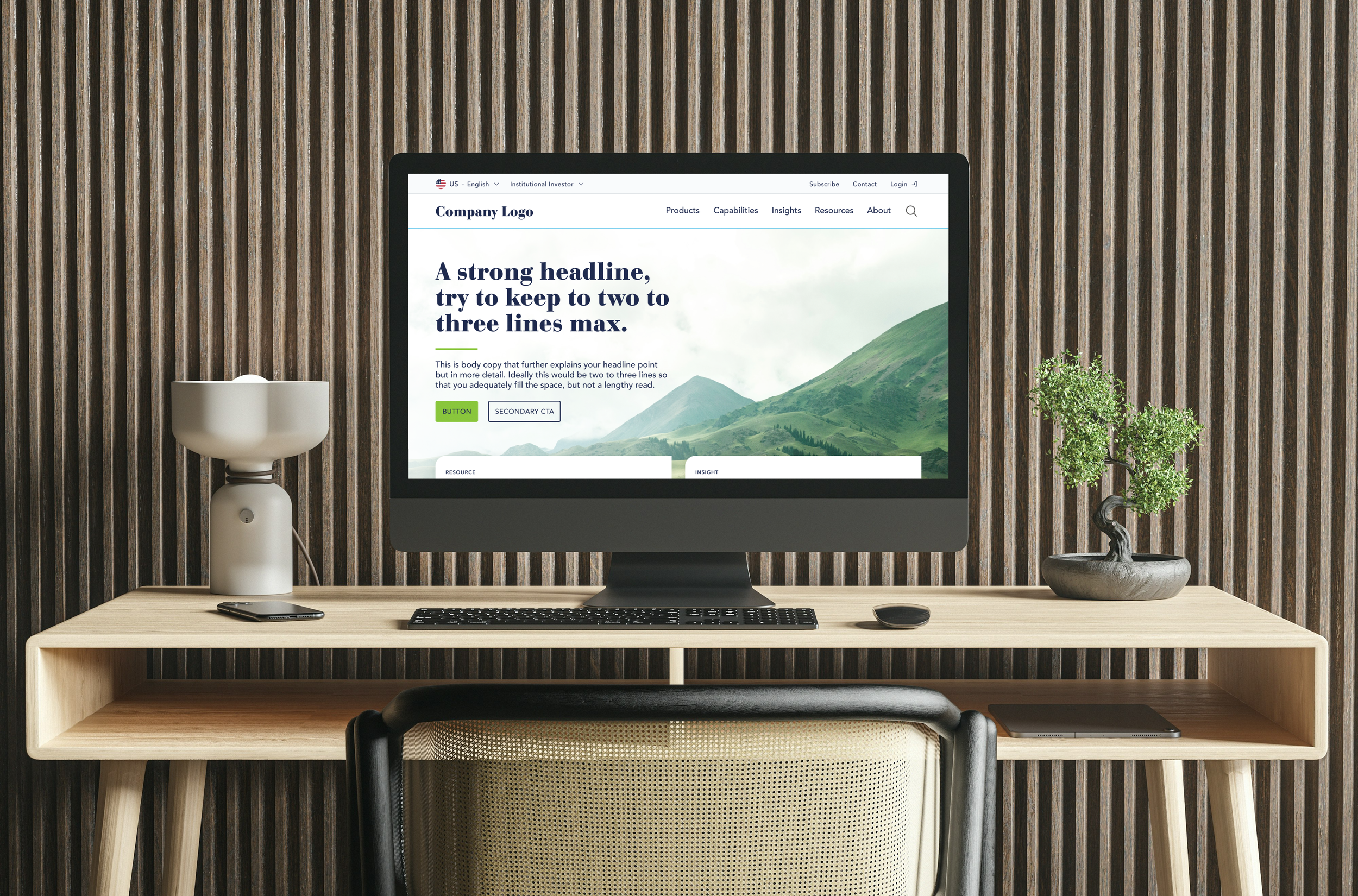
Global Website Redesign
Built a scalable design system and headless CMS to launch a WCAG- and GDPR-compliant website across 20+ countries, enabling consistent, accessible digital experiences for global audiences.
“A cleaner, simpler solution for one of the most complex problems we face.”
Challenge
After a large-scale merger, the company faced a dual challenge:
Two distinct brand systems needed to be merged into one unified digital identity.
Prior ADA lawsuits emphasized the importance of compliance with WCAG 2.1 AA standards.
The existing web ecosystem spanned 20+ countries and used inconsistent CMS platforms, visual styles, and accessibility practices. Each region managed its own content, creating duplicated work, inconsistent UX, and non-compliant experiences.
The challenge was to create a global design system and CMS framework that delivered consistent, accessible, and localized experiences — while enabling regional teams to publish content autonomously.
Goals
Merge two brands into a single, cohesive visual language.
Achieve WCAG 2.1 AA compliance across all pages.
Build a scalable Optimizely CMS supporting localization and personalization.
Empower global content authors to create accessible pages without developer support.
Constraints
Each region had its own legacy systems, content, and visual standards.
Regional compliance and regulatory standards needed to be met.
20+ markets required language, currency, and date localization.
Design needed to be intuitive and consistent for content authors with varying technical skill levels.
Research
I collaborated with the research team to conduct:
Stakeholder interviews to align business priorities across both legacy brands.
User interviews and jobs-to-be-done mapping to uncover key user needs.
Competitor analysis to benchmark accessibility and localization best practices.
Tree testing and heatmap analysis to validate navigation and IA.
Usability testing of early prototypes with assistive technologies.
Key insights:
Content authors needed clearer guidance and guardrails to create accessible pages.
Users across regions expected visual consistency but localized relevance.
Accessibility and compliance had to be embedded into the system, not left to manual QA.
These insights shaped our design principle:
Global consistency, local flexibility – built accessibly from the start
Design Process
Over the 1.5-year engagement, I served as the lead designer guiding the project from concept to launch. My work spanned from early brand definition to final implementation, content migration, and authoring enablement.
Design System Creation
Adopting an Atomic Design approach, I built a reusable, accessible design system in Figma.
Each component included:
Documented interaction and focus states.
Built-in contrast ratios meeting WCAG 2.1 AA.
Guidelines for responsive and multilingual adaptation.
These components were mirrored in a shared Storybook library for development parity.
CMS Authoring Experience
I partnered closely with developers to structure the Optimizely CMS for scalability.
My responsibilities included:
Designing modular templates and content blocks for flexible page creation.
Writing detailed authoring guides in Confluence for regional teams.
Testing and refining localization and personalization workflows.
Becoming the go-to designer for CMS logic questions — bridging UX, content, and technical teams.
Collaboration & Workflow
Throughout the project, I:
Created and tracked enhancements and defects in JIRA.
Partnered with QA to validate compliance via automated and manual testing.
Supported content migration across 20+ regional sites.
20+ locales
launched sites from the new CMS
100%
WCAG 2.1 AA compliance at launch
65% faster
page creation through reusable blocks
Solution
The final system included:
A unified, WCAG AA–compliant global design system in Figma and Storybook.
A modular Optimizely CMS enabling accessible, localized content authoring.
Built-in personalization features for region-specific promotions.
Documentation in Confluence covering authoring, accessibility, and localization best practices.
The new site launched with a fully merged brand identity and an accessible, flexible infrastructure that scaled to global audiences.
Reflection
This project underscored the value of accessibility as a design foundation, not a compliance checklist. By embedding inclusive design and localization into the system from day one, we delivered both efficiency and trust at scale. If I revisited this work, I’d further automate design token syncing and accessibility validation during authoring to prevent regressions.
Ultimately, this project taught me that true scalability comes from clarity and collaboration— not just reusable components.
Keep Exploring
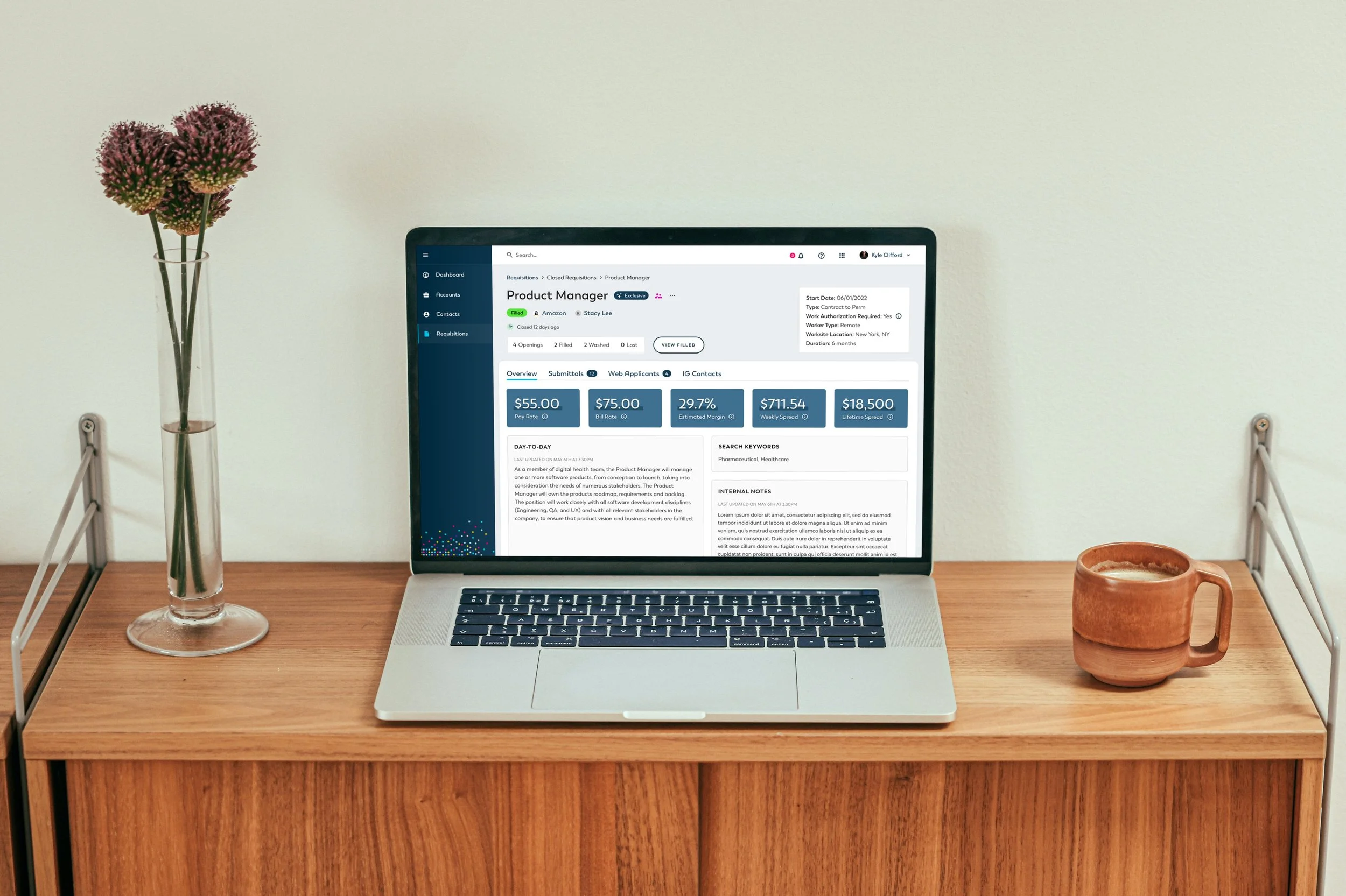
Custom CRM Platform
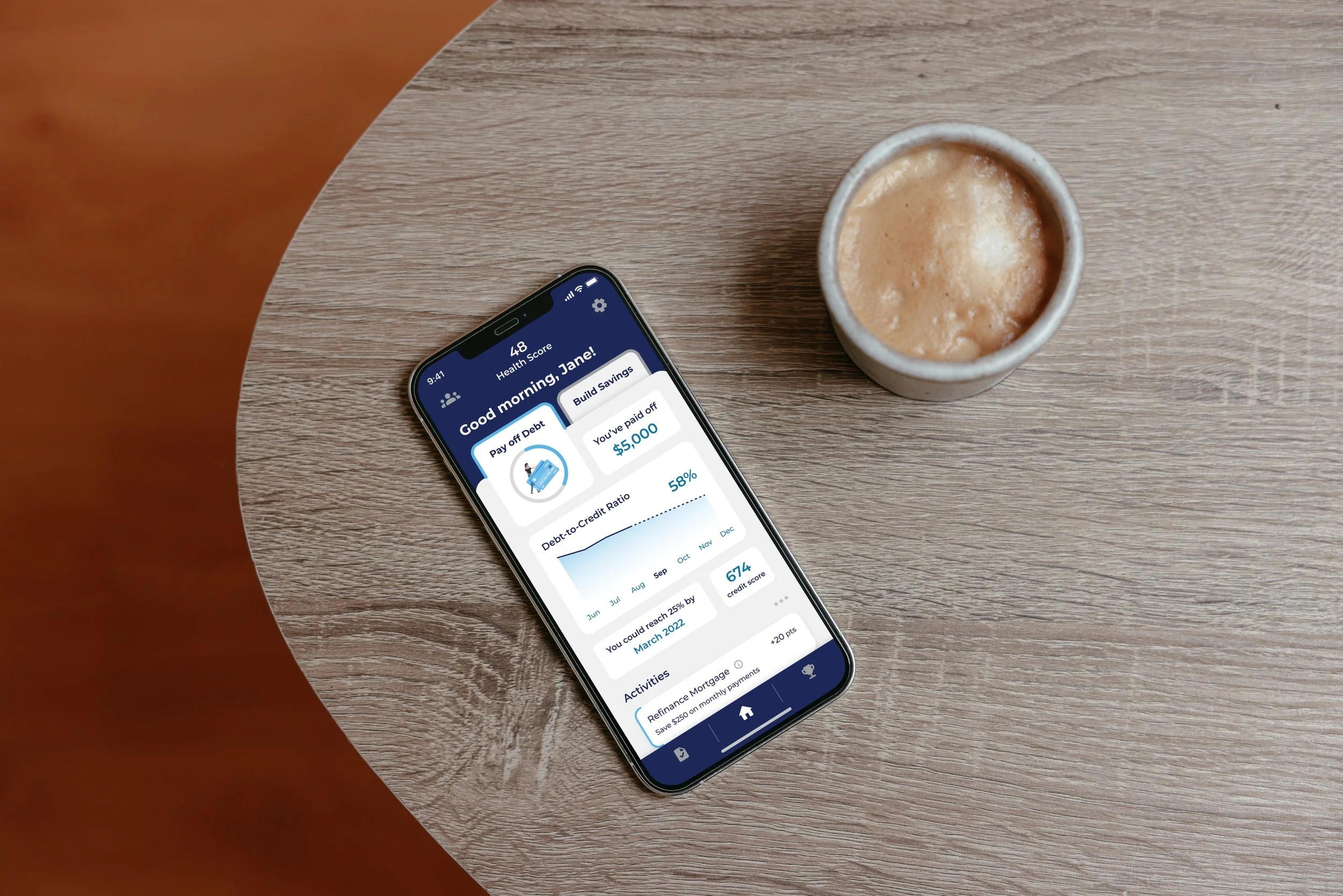
Finance Mobile App